
By the Force Security team · Last updated: May 22, 2026 · Sources: Statistics Canada 2024 police-reported crime data, Niagara Region Community Dashboard, Niagara Regional Police
Updated July 22, 2026 with StatCan's 2025 numbers. The headline finally turned in Niagara's favour. Statistics Canada reported this morning that the St. Catharines-Niagara Crime Severity Index dropped 9% in 2025, the steepest fall of the three metros we cover, and break-ins drove most of the national decline. So why aren't we celebrating? Because a falling average doesn't un-break a single door. Here's the real picture. See how monitored security protects your home.
Who put this together: Force Security is a family-owned alarm and monitoring company headquartered in Niagara Falls. We've installed and monitored home and business security systems across the Niagara Region since 1988, so the numbers below aren't abstract to us. They're the streets our technicians drive every week. Every figure here is pulled from Statistics Canada and Niagara Regional Police, linked so you can check it yourself.
Ask anyone who lives here and they'll tell you Niagara is safe. We've been based in Niagara Falls since 1988, so we hear it all the time, and honestly, the data mostly backs it up. The St. Catharines-Niagara region sits well below the national crime rate, and it routinely lands on lists of Canada's safer mid-sized regions. So far so good.
But here's the part that doesn't make the brochures. For a couple of years running, Niagara was the odd one out. While the rest of the country improved, Niagara's crime severity kept climbing, and in 2024 it actually passed Hamilton on the index. Property crime jumped 8.5% in a single year. Then 2025 flipped the script.
Statistics Canada's new numbers, released July 22, 2026, show the St. Catharines-Niagara Crime Severity Index fell 9% in 2025, the steepest drop of Niagara, Hamilton, and Toronto. Break-ins drove most of that national decline. So the trend finally turned in your favour. Here's why we still tell you to lock your doors: a falling regional average doesn't un-break a single one of the thousands of homes and businesses that still got hit.
We pulled the latest Statistics Canada and Niagara Regional Police numbers and laid out what's actually happening across the region, city by city, and what it means for protecting your home or business whether you're in Niagara Falls, St. Catharines, or anywhere in between.
St. Catharines-Niagara Crime Severity Index change in 2025
-9%
The steepest drop of the three metros we cover. Real progress, finally. But the region still logged nearly 14,000 property crimes the year before.
In This Report
St. Catharines readers: we put together a full guide to home security in St. Catharines, from wine-country properties to downtown rentals.
The Big Picture: What Changed in 2025
Two data sets tell this story. Statistics Canada's brand-new 2025 police-reported crime release (July 22, 2026) gives us the fresh regional trend, and the Niagara Region Community Dashboard fills in the most recent full municipal breakdown. Here's the headline.
The severity index dropped, and break-ins led the way. Statistics Canada's 2025 data puts the St. Catharines-Niagara Crime Severity Index at 53.8, down 9% from the year before. Nationally, break-and-enter fell 11% and was the single biggest reason crime came down. That's real, and it's the first genuinely good headline Niagara has had in a few years.
Now the context that keeps us honest. The most recent full municipal breakdown, from 2024, still shows Niagara Region logging 13,949 property crime incidents in a single year, the bucket that holds break-and-enters, theft, auto theft, and vandalism. A 9% dip is a direction, not a force field. Thousands of Niagara households and businesses still had their year interrupted by a break-in.
Niagara still sits below the national line. Even at its 2024 peak the St. Catharines-Niagara Crime Severity Index was 59.0, and the 2025 reading of 53.8 pulls it further under the national Crime Severity Index of 75.0. The region is, and has been, genuinely safer than the country as a whole. The point of this page isn't to scare you into thinking otherwise. It's that "safer than average" is a regional statistic, and a break-in is a very local event.
The national picture backs it up. Across Canada in 2025, the violent Crime Severity Index fell about 4% and the non-violent index fell about 5%, with property crime doing most of the heavy lifting. Niagara rode that same wave down. The question this page answers is the one an average can't: on your street, in your line of work, where does the risk still sit?
Where this data comes from: The annual figures are from Statistics Canada's 2024 police-reported crime release and the Niagara Region Community Dashboard, which publishes Niagara Regional Police crime totals. Want a live Niagara crime map instead of yearly totals? The Niagara Regional Police post recent local incidents on their crime reports page, and the Community Dashboard tracks the Niagara crime rate and Crime Severity Index year over year. 2024 is the most recent complete year of data available.
The "Safe Region" Reputation vs the Break-In Reality
Here's the thing nobody tells you when they call Niagara safe. Overall crime is below the national average. But break-and-enters specifically are not.
Statistics Canada's Safe Cities profile for St. Catharines-Niagara (published in 2020, using 2018 data) put the local break-and-enter rate at 447 per 100,000 people, about 4% higher than the national average of 431 at the time. In the same profile, the region's overall property crime rate came in about 27% below the national figure. Read that again. Lower property crime overall, but higher break-ins.
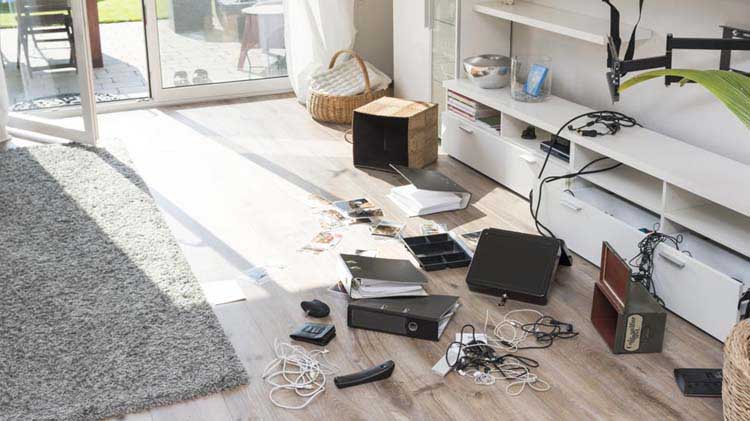
Why the gap? A few reasons that are specific to this region. Niagara has a lot of detached homes with mature landscaping and fence lines that screen a back door from the street. It has a heavy seasonal and tourist rhythm, which means a lot of properties sit empty for stretches. Cottages and second homes along Lake Erie and the Niagara River sit dark for weeks at a time. And the QEW runs straight through, giving anyone a fast way in and out. All of that adds up to a region where the overall crime picture looks calm but the break-in math is quietly worse than the country as a whole.
The 2025 Turn: Niagara Finally Fell, and Fell Hardest
This is the part that should get your attention, because it's a genuine reversal. For two years Niagara was the outlier heading the wrong way while its neighbours improved. The table below is the old story, from 2024. Read it, then look at what 2025 did.
| Region | 2024 Crime Severity Index | Year-over-year |
|---|---|---|
| St. Catharines-Niagara | 59.0 | ▲ up ~6% |
| Hamilton | 58.3 | ▼ down 3% |
| Toronto | 59.4 | ▲ up ~1% |
Look at those numbers. In 2024, Niagara was the outlier. The national index fell 4%, Hamilton fell with it, and Niagara jumped 6%, actually climbing past Hamilton on the index. That was the wrong direction, and we said so. Then 2025 arrived, and Statistics Canada's July 22, 2026 release told a completely different story.
| Region | 2025 Crime Severity Index | Year-over-year |
|---|---|---|
| St. Catharines-Niagara | 53.8 | ▼ down 9% |
| Hamilton | 54.8 | ▼ down 7% |
| Toronto | 55.0 | ▼ down 7% |
All three came down, and Niagara came down hardest, a 9% drop that pulled it back below both Hamilton and Toronto. The outlier that had been heading the wrong way is now leading the pack in the right one. Break-ins, the category Niagara has always run high on, drove most of that national decline.
The takeaway: the 2025 trend is finally on Niagara's side, and that's worth saying out loud. But two things didn't change. Niagara's break-in rate still runs above the national line, and a falling regional average has never once stopped a specific back door from being kicked in. A good trend is not the same as a locked door.
What Each Niagara Community Is Facing
One quick note on the data. Niagara Regional Police report crime by district and region, not by fine-grained neighbourhood the way Hamilton and Toronto police break things out by ward. So we're not going to invent a precise break-in count for each town. What we can do is lay out the real risk profile of each community we serve, based on its geography and what actually drives break-ins there, and what kind of security setup fits.
Niagara Falls
The region's busiest city ▲ high property turnover
Niagara Falls runs on tourism, which means a constant churn of people, vehicles, and short-term rentals. Hotels, restaurants, and tourist-strip retail draw property crime the way any high-traffic zone does. Commercial break and enter is a recurring problem here. Niagara Regional Police detectives have run multiple commercial break-and-enter investigations across the city, hitting everything from strip-mall storefronts to standalone businesses. Residential neighbourhoods away from the falls are quieter, but the sheer volume of transient activity keeps theft from vehicles and opportunistic break-ins elevated. This is also home base for us, so we know these streets.

St. Catharines
Most people, most reported crime ▶ most in the region by volume
St. Catharines is the biggest city in the region, so in raw numbers it carries the most reported crime. Downtown and the commercial corridors see the bulk of it. Established residential areas like Old Glenridge and Port Dalhousie are quieter but not immune, and Niagara Regional Police have flagged strings of break-ins here more than once. More people, more homes, more targets.

Welland, Pelham and Port Colborne
Commercial break-in clusters ▲ business targeting
Central and south Niagara have seen organized clusters of commercial break-ins. In one stretch of 2024, nine businesses in the Welland and Pelham area were hit over a single weekend. The pattern here skews toward small businesses and storefronts rather than dense urban theft. Port Colborne adds waterfront and seasonal properties to the mix.
Fort Erie and Crystal Beach
Empty cottages and border traffic ▶ seasonal swings
Fort Erie sits on the border with constant cross-river traffic, and the Crystal Beach area fills with seasonal cottages that sit empty most of the year. Empty properties are the single biggest break-in risk factor anywhere, and this stretch has a lot of them. Niagara Regional Police have investigated multiple break-in strings here. Lake-effect winters add a water and freeze risk on top of the break-in risk.
Lincoln, Beamsville and West Niagara
Rural properties, long sightlines ▶ lower volume, higher value
West Niagara is wine country. Larger rural lots, wineries, farms, and detached homes set well back from the road. Lower crime volume than the cities, but rural properties have their own problem: long response distances and outbuildings, equipment, and vehicles that sit far from the house. When something does happen out here, the value lost per incident tends to be higher.
What You Can Actually Do About It
The good news about break-ins is that they respond to deterrence better than almost any other crime. Most are opportunistic. The burglar wants the easiest target on the street, and a visible, monitored system moves you off that list.
Get monitored, not just noisy
A siren that nobody's listening to is theatre. ULC-certified 24/7 monitoring means a real operator sees the alarm and dispatches Niagara Regional Police, whether you're home, at work, or away for the season. This is the single biggest upgrade over a DIY box.
Put a camera where it counts
A break-in that gets caught on a clean camera angle gives police something to actually work with. Security cameras on entry points and driveways do double duty: they deter the opportunist and they document the one who tries anyway.

Cover the empty-house problem
If you've got a cottage on the lake, a seasonal place, or you travel, an empty property is the highest-risk situation in this region. Vacation and seasonal monitoring with water and freeze sensors covers both the break-in and the burst-pipe risk on one system and one app.
Lock down the easy entry points
A video doorbell and garage door monitoring close the two doors people forget about. The garage especially. A lot of break-ins in this region are just an overhead door left open overnight.
Already have a system you don't love? If you're locked into a contract with ADT, TELUS, Bell, or Vivint, we can usually take over your existing equipment and switch you to local monitoring with no long-term contract. We'll do a free takeover assessment. Not sure who's better? We laid it out in our ADT vs TELUS vs Bell vs Force comparison.
Headquartered in Niagara Falls Since 1988
We're Force Security. Family-owned, and our head office is right here at 4065 Stanley Ave in Niagara Falls. This isn't a region we service from a call centre two provinces away. We live here. Our techs know which Fort Erie streets fill with empty cottages in the off-season and which St. Catharines corridors get hit. That local context changes how we install.
We use ULC S561-certified monitoring, the same standard banks use. Open-standard equipment you actually own. No multi-year lock-in. The technician who installs your system is the same one who comes back if anything needs adjusting. We've been protecting Niagara homes and businesses for 38 years, and we'd rather earn the next call than trap you in a contract.
Frequently Asked Questions
Is Niagara a safe place to live?
Yes. The St. Catharines-Niagara Crime Severity Index fell to 53.8 in 2025, down 9%, which pulls it further below the national index of 75.0, and it's genuinely one of Canada's safer mid-sized regions. The catch is that break-and-enters specifically still run about 4% above the national average in StatCan's Safe Cities profile. Safer than average overall, with break-ins as the stubborn exception.
How much crime is there in Niagara Region?
The most recent full municipal count from Niagara Regional Police is 13,949 property crime incidents in a single year (2024). Property crime includes break-and-enter, theft, auto theft, mischief, and vandalism. The regional trend then improved: Statistics Canada's 2025 release puts the St. Catharines-Niagara Crime Severity Index at 53.8, down 9% year over year.
Are break-ins common in Niagara?
More common than you'd expect for a region this safe overall. Statistics Canada's Safe Cities profile (2018 data, published 2020) put the St. Catharines-Niagara break-and-enter rate at 447 per 100,000, about 4% higher than the national average at the time, even though the same profile had the region's overall property crime well below the national rate. The big drivers here are detached homes with screened back entrances, and the large number of seasonal and cottage properties that sit empty for long stretches.
Is crime going up or down in Niagara?
Down, as of the latest data. Statistics Canada's 2025 release (July 22, 2026) shows the St. Catharines-Niagara Crime Severity Index fell 9%, the steepest drop of Niagara, Hamilton, and Toronto, which pulled Niagara back below both. That's a real reversal after 2024, when Niagara had been the outlier heading the wrong way. Break-ins still run above the national average, so "down" doesn't mean "done."
Which Niagara city has the most crime?
St. Catharines carries the most reported crime in raw numbers, simply because it's the largest city in the region. Niagara Falls sees elevated property crime tied to its tourism traffic. Central Niagara (Welland and Pelham) has seen clustered commercial break-ins. Niagara Regional Police report by district rather than by neighbourhood, so precise per-city break-in counts aren't published the way some larger cities do it.
What's the best way to protect my Niagara home from a break-in?
Layers. A monitored alarm with ULC-certified 24/7 monitoring catches the attempt and dispatches Niagara Regional Police. Outdoor cameras give police usable evidence. A video doorbell and garage door monitoring close the entry points people forget. If you've got a seasonal or cottage property, add water and freeze sensors so the empty-house risk is covered on the same system. We do free assessments across the region every week.
Where can I see Niagara crime data myself?
The Niagara Region Community Dashboard at niagararegion.ca publishes regional crime totals from Niagara Regional Police. The NRPS also posts recent incidents on their crime reports page at niagarapolice.ca. For the broader picture, Statistics Canada publishes the annual police-reported crime release with Crime Severity Index figures for the St. Catharines-Niagara census metropolitan area.
Get a Free Security Assessment
We'll walk your Niagara home or business, point out the entry points that actually matter for your street, and give you a straight quote. No multi-year contract pitch. No pressure. Family-owned in Niagara Falls since 1988.
844-360-1234Available Monday-Friday, 8am-6pm