Long weekend’s coming up. The car’s already packed. The cottage is calling. Maybe it’s Victoria Day, maybe Canada Day, maybe Labour Day. Doesn’t matter. Same setup: your house is about to sit empty for three or four days, and the people who break into houses know it. Police across Hamilton, Niagara, and the GTA see a clear bump in residential break-ins during long weekends. Empty homes are easier to spot. Neighbours are also away. Mail piles up. Lights stay off. It adds up to a window that opportunistic break-in crews actively watch for. This is the 15-step pre-departure checklist Force Security has been recommending to customers since 1988. Some of it is alarm-system stuff. A lot of it isn’t. The whole list takes about 45 minutes to run through. Worth it. If you’re packing right now and only have 5 minutes, do these three things before you walk out the door: The full 15-step version follows below. If you’ve got 45 minutes, run the whole thing. Statistics Canada and local police services have been telling the same story for decades. Residential break-ins spike on long weekends. Three reasons: Empty homes are obvious. No cars in the driveway. No lights changing pattern. Same trash bin sitting at the curb for three days. To a break-in crew driving through a neighbourhood looking for soft targets, it’s a billboard. Neighbours are also away. The eyes-on-the-street that normally catch a stranger walking up your driveway aren’t there. The person who would have noticed and called police is at their cottage too. Response is slower. Local police forces run shorter staffing on long weekends in many regions. A break-in at 2pm Saturday gets a different response than a break-in at 2pm Tuesday. None of that means you shouldn’t go away. It means you should leave the house properly secured before you walk out the door. Same house, same neighbourhood, same alarm system, but configured for a long absence. The checklist below is what that actually looks like. Run this 3-4 days before you leave, not the morning of. You want time to catch problems (broken sensor, dead battery, expired contract) while there’s still time to fix them. Call your monitoring provider, put your account on test, trip a sensor, and confirm they got the signal. If you haven’t tested in over a year, do it now. We’ve had customers discover the day-of that their 3G radio died two summers ago. Their alarm sticker was on the window but nobody was listening. Here’s how to tell if your alarm is actually being monitored. Front door, back door, side doors, garage door, basement windows, every window that opens, the roof hatch if you have one. Walk it twice. We’ve audited buildings where every ground-floor opening was wired and the second floor was wide open. People still climb in from the patio furniture stacked next to the house. The same lamp on the same timer for three nights signals “fake presence” louder than no lights at all. Smart bulbs or smart switches that randomize between rooms and times do this much better. Smart home automation makes this trivial. If you’re on traditional timers, set at least three of them in different rooms with different schedules. Canada Post has a free Mail Hold service. Pause Amazon deliveries. If you can’t pause everything, ask one neighbour to collect what shows up. Mail accumulating on the porch is the single most reliable “nobody’s home” tell. Not five neighbours, one. Tell them when you’re leaving, when you’re back, and what cars belong on your driveway. Give them your cell number and one emergency contact. If they see something off, they call you first and police second. This single relationship is worth more than any single piece of security equipment. Sounds obvious. Still a major source of targeted break-ins. Save the cottage photos for when you’re home and post them then. Same for the Niagara wine country tour, the Toronto Blue Jays game, the Hamilton waterfront day trip. Whatever you’re doing, post about it after. Cash, jewellery, passports, birth certificates, electronics not coming with you, spare car keys, garage door remotes. Either take them with you or lock them in a fire-rated safe. The first place a break-in crew checks: bedroom dressers, the kitchen drawer where everyone keeps spare keys, and that “secret” spot in the closet that isn’t secret. Don’t crank the heat off in winter or the AC off in summer. A smart thermostat in “away” mode keeps the house comfortable enough to avoid frozen pipes or humidity damage, but uses less energy than running it normally. Smart thermostat integration with your alarm system means the temperature also feeds into our monitoring if it drops or spikes dangerously. Under the mat. Under the rock. Inside the fake hose holder. In the BBQ. Hide-a-keys aren’t hidden. Move them inside. Better yet, install a smart lock with a temporary access code you can give a neighbour or family member who needs to check on the house. A burst pipe at 11pm Saturday while you’re at the cottage 4 hours north is one of the most expensive disasters a homeowner faces. Water leak sensors placed near sinks, water heaters, dishwashers, and the laundry tub trigger an alert to our monitoring centre and to your phone the second water hits them. We can call you while there’s still time to do something. This is different from STAY mode. STAY arms perimeter sensors (doors, windows, glass-break) and disables interior motion so you can move around the house at night. AWAY arms perimeter AND interior motion. Anything inside the house that moves trips the alarm. AWAY is the mode you want when nobody’s home for days. Look at the keypad display. Any of these codes means trouble: FC, No Comm, Cell Fail, GSM Trouble, Phone Line, Supervisory. If you see one, call your monitoring provider before you leave the driveway. The alarm sticker on the window doesn’t matter if the panel can’t reach the monitoring centre. Overgrown shrubs near entry points give cover to anyone trying to force a door or window. A quick trim a week before you leave removes that cover. Same for low-hanging branches near second-floor balconies or garage roofs. An empty driveway for four days reads “nobody’s home.” If you can, leave one car in the driveway and take one to the cottage. If both cars are with you, ask the neighbour you briefed in step 5 to park their car in your driveway some evenings. Doesn’t need to be every night. Random is the point. Last thing before you lock up: walk to the keypad. Confirm AWAY mode is set. Confirm no trouble codes. Confirm the door you’re leaving through is on the exit delay. Then walk out and lock it. Done. Realistic timeline: the full 15-step check takes about 45 minutes if it’s your first time. Less every time after. Most of our long-time customers have this down to about 15 minutes of focused effort before walking out the door. Owning a cottage doesn’t just mean another property to secure. It means two properties that are simultaneously vulnerable in opposite ways every long weekend. Your primary home sits empty while you’re at the cottage. Everyone in the neighbourhood knows when you usually leave. A break-in crew watching driveway patterns over a few weekends has a pretty good map. Your cottage sits empty most of the year. The break-ins happen on the weeks you’re not there. We see this constantly across Muskoka, Kawartha Lakes, Parry Sound, Haliburton, and any other cottage region serving Hamilton/Niagara/GTA owners. Practical cottage security for long-weekend owners: Monitor both properties with the same monitoring account when you can. Force Security can run cellular monitoring at remote cottages with no internet. Your phone gets the alert the same way it would for your primary home. Cellular cameras at the cottage. Wired internet at cottages is often unreliable or non-existent. Cellular-only outdoor cameras with motion alerts give you eyes on the property year-round without needing internet at the site. We install commercial-grade cameras for this exact use case at residential and seasonal properties. Have someone check the cottage in person between visits. A property manager. A trusted neighbour at the lake. Not a teenager who’s “going by anyway.” Someone with a phone number and a key and a real interest in helping. Pay them if you have to. Brief both neighbour networks. One at home, one at the cottage. Each has your trip dates and contact info. Each watches one of your properties while you’re at the other. This is the part of “home security” that everybody underestimates. An alarm system that nobody’s monitoring is decoration. A camera that nobody’s watching is a video tape that sits in a box. What 24/7 ULC-certified monitoring does for you while you’re at the cottage: Phone calls within 60 seconds of any alarm trip. A real human at our ULC-certified central station gets the signal, checks the event type, and starts the response procedure. If you can’t be reached, your emergency contacts are next. If they can’t be reached, police get dispatched. Daily and emergency reports. Optional opening and closing reports get emailed if you want them. The monitoring centre also alerts you to power outages, low battery, and communication failures, so you know if something’s going wrong before it becomes an actual problem. Water, freeze, fire, and CO sensors all roll up through the same monitoring infrastructure. Burst pipe at 3am? Call goes out within minutes. Fire alarm trips? Fire department dispatched directly under CAN/ULC S561 protocols. Mobile app visibility. Open the app from the cottage dock. See the alarm is armed. See the doors closed. See if a sensor was tripped or a camera caught movement. Two minutes of phone-checking once a day is enough to know your home is still your home. Skipping the alarm because “we’ll only be gone three days.” A break-in takes 8 to 12 minutes on average. Three days is 4,320 minutes. The math doesn’t work in your favour. Pulling back into your driveway after a long weekend is a relief. It’s also when you want to take five minutes to verify nothing happened. Walk the perimeter before going inside. Look for: Doors and windows. Still locked? Any obvious pry marks? Window screens still in place? A skilled break-in might leave a window slightly cracked open if they didn’t take much and want to come back later. The keypad. Any trouble codes that weren’t there when you left? Any alarm events logged in the history? Open the mobile app and review the entire log from your departure to now. The garage and outbuildings. Often overlooked. Garage break-ins are a common pre-step before a main house break-in because tools and ladders inside can be used to reach upper-floor windows. Sensors and contacts. Anything tampered with? Wires pulled? Magnets removed? A sophisticated break-in will disable sensors before triggering the alarm. Quick visual check tells you everything’s still where it should be. If something feels off, don’t go inside. Call us or call police. Trust the instinct. We’d rather come check on a false alarm than have you walk into something you shouldn’t. Free phone consultation. We’ll walk through your current setup with you, test the system, and quote any gaps. Family-owned in Hamilton since 1988. Statistics Canada data consistently shows that long weekends and summer vacation periods see the highest rate of residential break-ins. Victoria Day, Canada Day, and the August Civic Holiday weekends are particular spikes because homes sit empty, neighbours are also away, and break-in attempts are less likely to be noticed in real time. Yes, but not the same light all weekend. Use smart bulbs or timers that randomize between rooms and times to simulate a normal household pattern. A single light burning 24/7 actually signals nobody’s home. Yes for short trips. Most Canadian home insurance policies require you to maintain reasonable security and check the home at intervals if you’re away longer than 4 days or 30 days, depending on the policy. Read your specific policy and review with your broker. You don’t need to call us to go away. The monitoring system runs 24/7 whether you’re home or not. But it’s smart to verify the system is working before you leave and to have your emergency contact list current at the monitoring centre. Often, and in two directions. Your primary home is targeted because everyone knows you’re at the cottage, and your cottage is targeted during the weeks you’re not there. Both need security: alarms, cameras, neighbour networks. We monitor both for many of our Hamilton and Niagara customers. Test that your monitoring is actually live. The alarm sticker on the window means nothing if the cellular communicator has been silently down for two weeks. Run a live test with the central station 3-4 days before you leave, not the day of. We’ll call you, walk through the checklist with you, and confirm your monitoring is live before you leave. Hamilton, Niagara, and the GTA. No obligation, no contract pitch. Available Monday-Friday, 8am-6pm Or send your info and we’ll call you back:
Quick Answer
In This Guide
Why Long Weekends Are Prime Break-In Windows
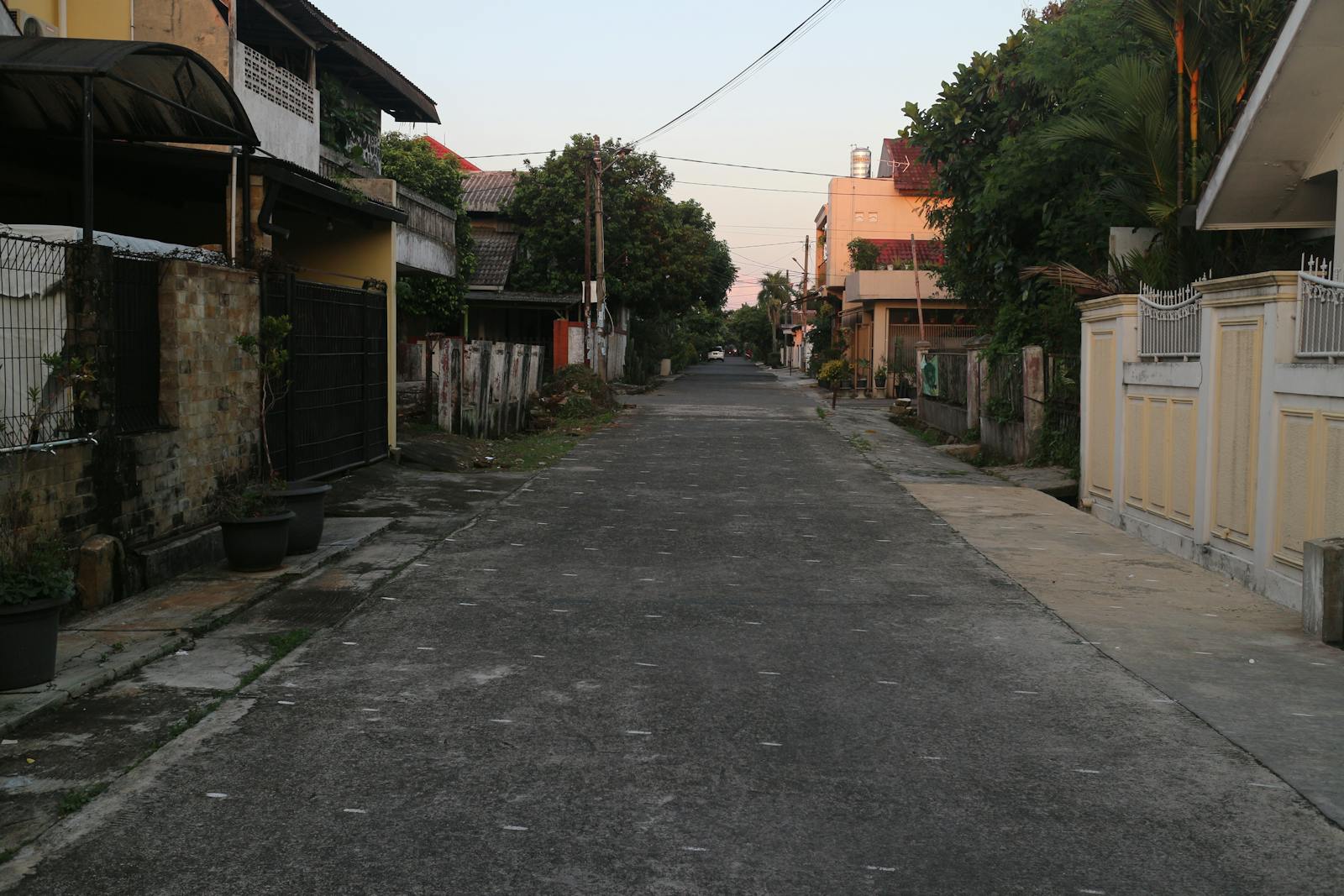
The 15-Step Pre-Departure Checklist
Test your alarm with the monitoring centre
Lock every external opening (yes, the second-floor windows too)
Set lights on timers (randomized, not the obvious 7-to-10pm schedule)
Stop mail and packages (or have a neighbour collect)
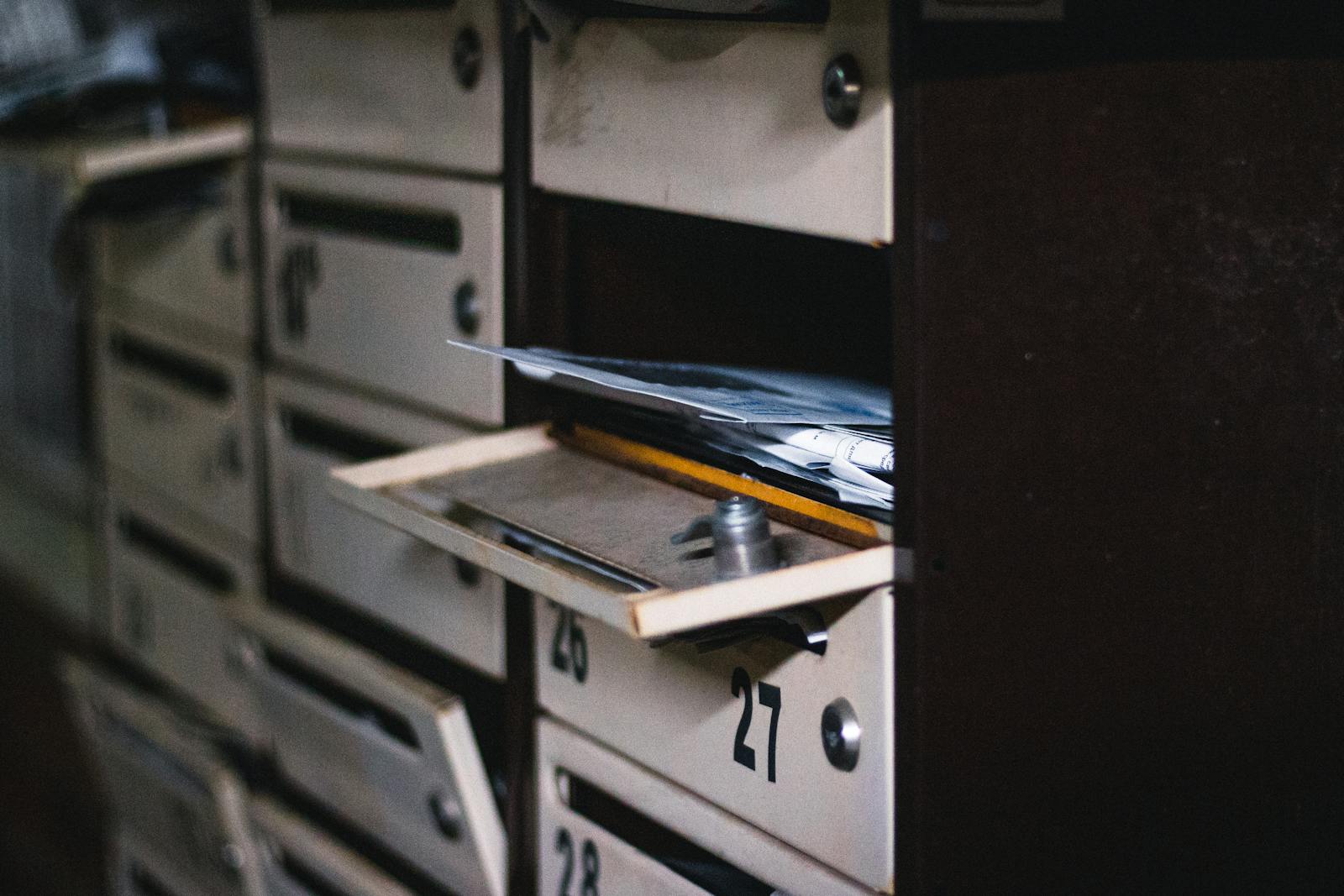
Brief one trusted neighbour
Don’t post the trip on social until you’re back
Lock up valuables and important documents
Set the thermostat smart, not off
Move spare keys inside
Confirm water leak detection is armed
Arm the system in AWAY mode on your way out
Verify the cellular communicator is online before you leave
Trim bushes near doors and windows
Park strategically (or have a neighbour use your driveway)
Final keypad sanity check
If You Have a Cottage: Double the Surface Area

While You’re Away: Monitoring Matters
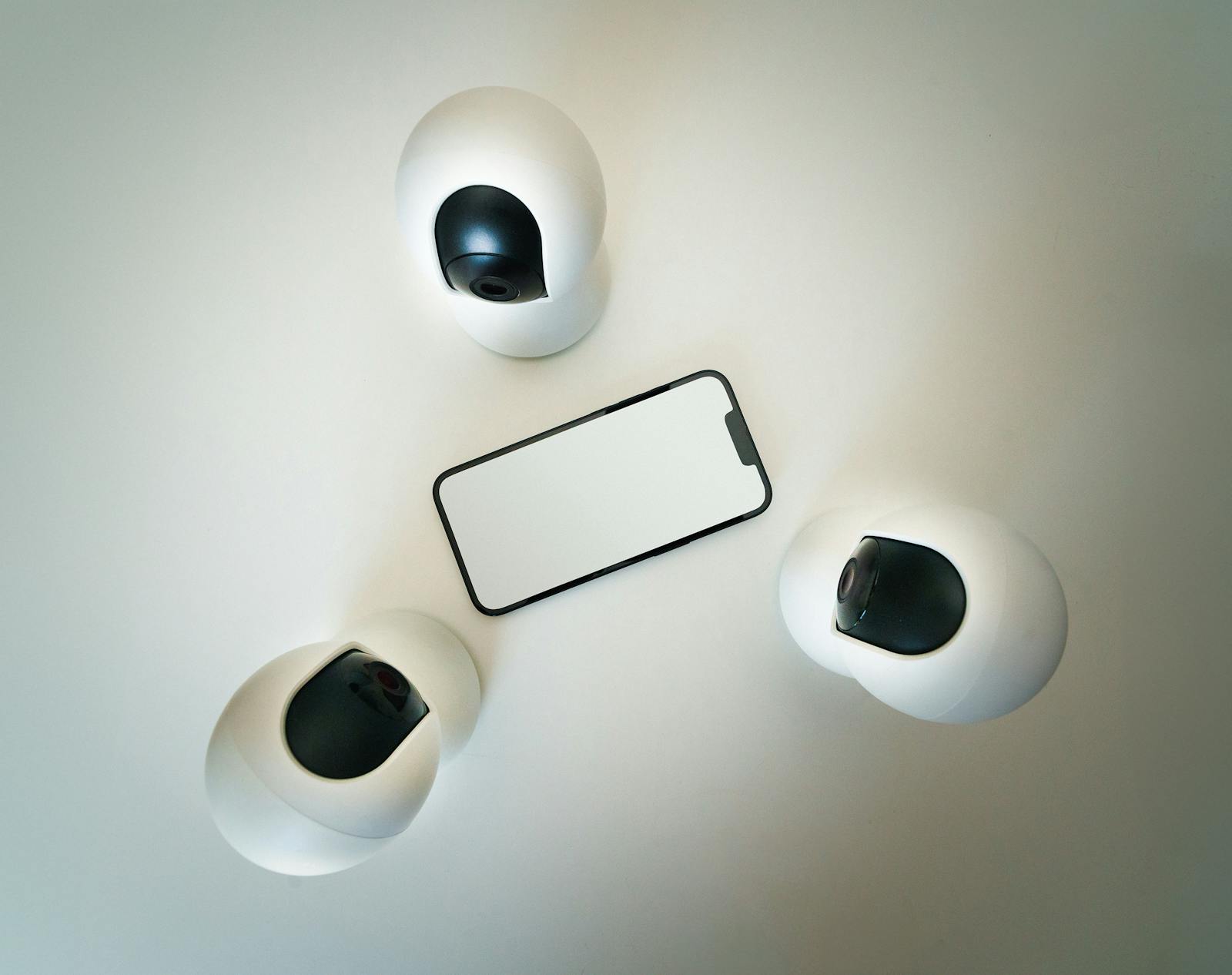
Common mistake
Coming Home: What to Check
Going away soon? Make sure your monitoring is actually live.
Frequently Asked Questions
When are most home break-ins in Canada?
Should I leave a light on when I go away for the long weekend?
Is my home insurance valid if I’m away for an extended weekend?
Should I tell my alarm monitoring company that I’m going away?
Do break-in attempts happen at cottages over long weekends?
What’s the single most important thing to do before leaving for a long weekend?
Heading out this long weekend? Get a free 15-minute pre-departure security check.
Related Reading & Services
Long Weekend Home Security: 15 Things to Do Before You Leave
1
2
3
4
5
6
7
8
9
10
11
12
13
14
15