What We See on a Fonthill Walkthrough
Picture a walkthrough on a street off Pelham Street. We park, and before we reach the front door we already know the back of the lot sits lower than the front. Driveway climbing, front lawn flat, and the roofline of the house behind sitting below the fence line. Fonthill is built on the kame, the highest ground in the Niagara region, and that hill turns up on nearly every lot in town. So we don't start at the front door. We walk around to the low end first.
That's usually where the interesting stuff is. A basement door tucked under the deck, screened from the road by the drop. Windows that sit at ankle height outside and chest height inside. A shed at the bottom of the yard you can't see from the kitchen sink. A path down the side that a person can stand on and watch the house for ten minutes without anybody clocking them. None of that shows up on a form. You find it by walking the slope. Force Security has been doing that walk in Pelham since 1988, out of our shop in Niagara Falls, with technicians who work the Niagara region every day.
Then we sit at the table and draw it. Contacts on the doors that actually get used, motion covering the run from the low side up to the main floor, a camera aimed back up the slope instead of down into the dirt, and the whole thing reporting to ULC-certified monitoring over a cellular link so a cut line doesn't cut you off. That's how we build every home security system here. The walkthrough is free and nobody gets a pitch at the end of it.
Why the slope matters: On a hillside lot the low end of the house is the quiet end. It's hidden from the road, it holds the walkout and the basement windows, and it's the one side a boxed package tends to leave thin. We mount and aim for the ground you've actually got, not for a flat rectangle on a floor plan.
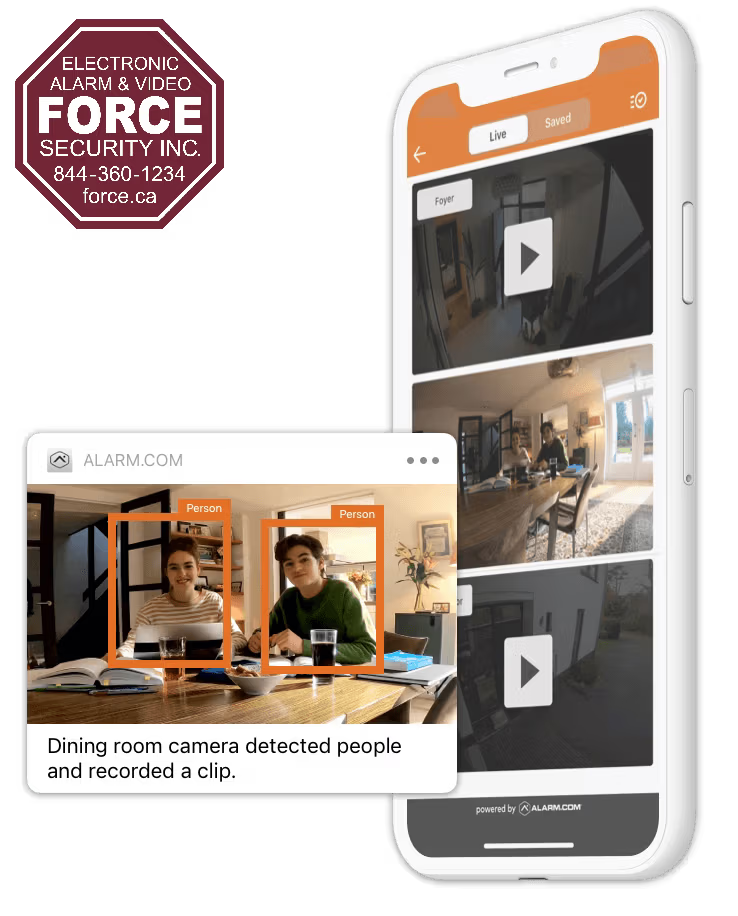
What a Hillside Property Has That a Flat One Doesn't
Run your own place against this list. A back yard that falls away. A door at the low end that the street can't see. A driveway that climbs out of view of the kitchen window. A fence line where the neighbour's roof sits below your grass. Every one of those changes where a sensor or a camera has to go. And the vehicle numbers below say quiet Pelham streets don't get a free pass.
Source: Niagara Regional Police Service 2024 Report
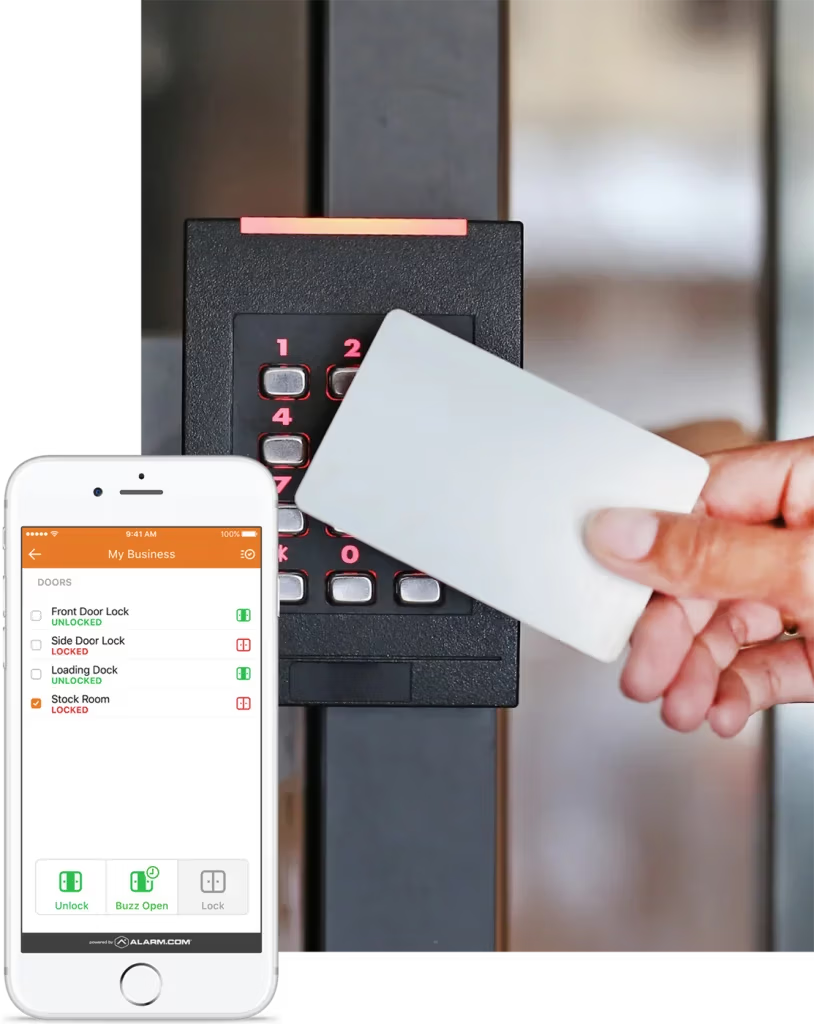
"Nothing Happens Up Here." Let's Talk About That
We hear that line on a lot of Fonthill walkthroughs, usually at the front door, usually with a laugh. And it isn't a stupid thing to say. This is a quiet town. Kids ride bikes on Station Street, people leave the garage open while they cut the grass, and most of your neighbours would notice a strange van. So let's take the objection seriously instead of arguing with it.
Here's the part that gets missed. Quiet doesn't mean unwatched, it means unwatched by anyone in a hurry. Somebody walking down the low side of a hillside lot is out of sight from the road in about six steps. The drop behind the house does the hiding for them. The stuff that goes on a quiet street goes quietly: a side door tried, a shed opened, a vehicle gone through in the driveway. Nobody hears a thing, and the first you know about it is in the morning. A system doesn't argue with how safe your street feels. It just refuses to let the quiet side of the house be the unwatched side.
So we build home alarm systems around the ground, not around a package. Contacts on the doors people actually use, including the one under the deck. Motion covering the climb from the low level to where you sleep. Glass break where the windows sit low outside. Smart locks and touchscreen keypads simple enough that everyone in the house arms it without being reminded. All of it wireless, so a rented place or a house you don't want drilled stays exactly as it is.
- Wireless throughout: Sensors go on without a single hole in your walls or trim
- Pet-immune motion: The dog can patrol the whole main floor and never trip a thing
- Zone the low end: Arm the walkout level on its own while the family's upstairs
- Instant alerts: Your phone buzzes the second that side door opens
- 24/7 ULC monitoring: Real operators on it whether you're home, out or asleep
- Insurance discounts: Monitoring can knock 5-20% off premiums with many Niagara insurers
Camera Placement, High Side to Low Side
Let's walk one Fonthill property the way we'd actually do it, from the top of the lot down. Up at the road: one camera on the garage face covering the driveway and the parked vehicles. On a lot that climbs, this one gets mounted lower than you'd expect, because a camera set high on a rising driveway spends all day filming the tops of heads. Drop it, angle it flat, and you get faces and plates instead.
Along the side path: that narrow run between you and the neighbour is the route to everything, and on a hillside lot it's the one stretch the street loses sight of fastest. A single camera here, aimed along the path rather than across it, catches the whole trip in one clip. At the back corner: this is where the ground starts to go. Mount to see across the drop, not down into it, or your best 4K security camera spends the night watching grass six feet below the lens.
Down at the low end: the walkout, the basement door, the window wells and the shed at the bottom of the yard. Nothing on the street can see any of it, which is exactly why it goes on camera. We finish the tour on your phone, checking every view live before anything gets tightened down, and adjusting until you can actually recognise a person in each frame. Then it all sits alongside your alarm, so a camera and a sensor tell the same story instead of two different ones.
- Aimed for the slope: Heights and angles set for the ground, not for a flat yard
- Night colour: Usable footage in the dark, not a grey smear
- Smart detection: Alerts for people and vehicles, not every moth and branch
- Local and cloud storage: Footage survives even if the recorder walks
- Remote viewing: Check the low end of the yard from anywhere
- Placement done on site: We test every view with you before we mount it
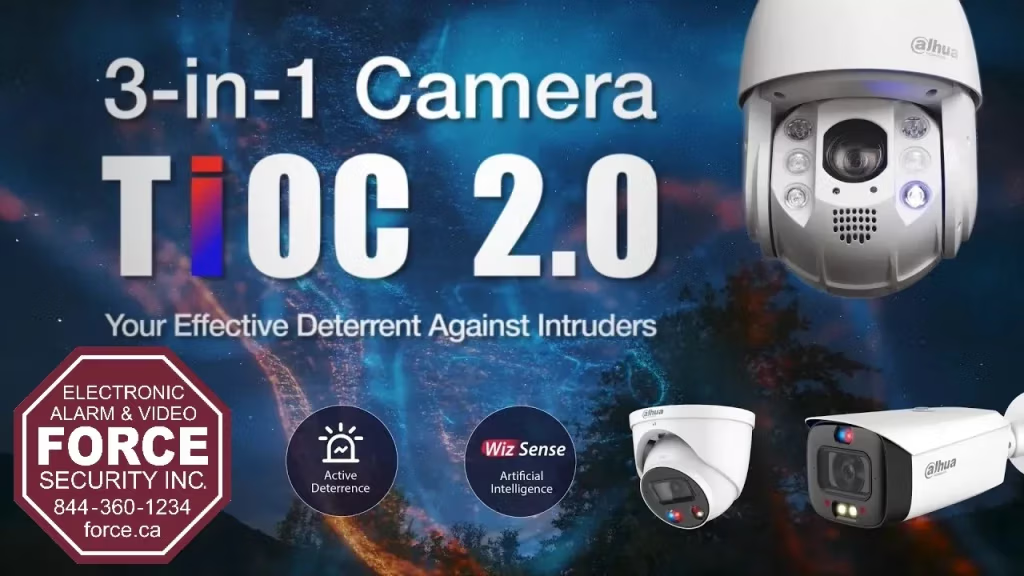
The Wireless Range Myth on a Fonthill Lot
The myth goes like this: big lot, long yard, house set into a hill, so wireless gear will never hold a signal out there. It's the most common reason Pelham homeowners talk themselves out of a proper system, and it's wrong. Range is a design problem, and it's one we solve on site with repeaters, aerial placement and a cellular path that doesn't care what your Wi-Fi is doing.
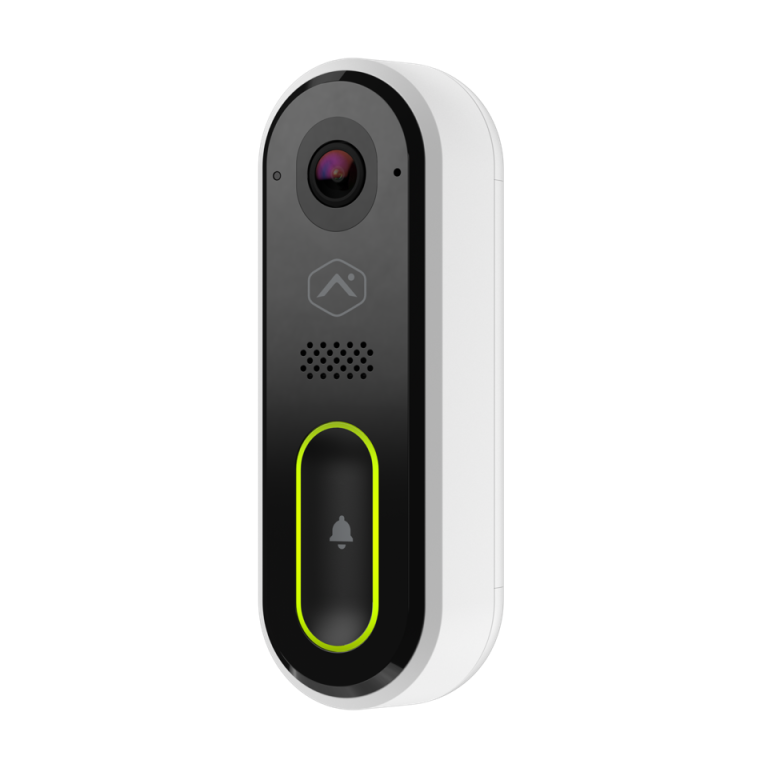
Doorbells and Video Entry
Myth: the front door is too far up the driveway for a doorbell to hold signal. Reality: we place the receiver to suit the run, and you see and talk to whoever's at the door from wherever you are.
Learn More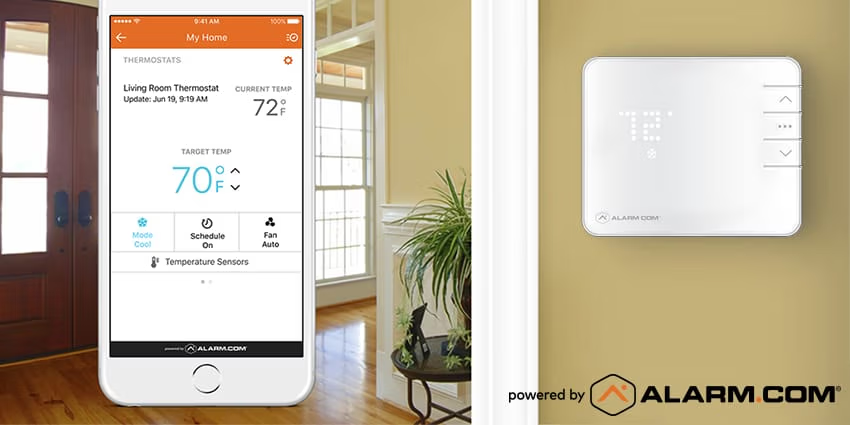
Temperature and Freeze Alerts
Myth: a sensor in the far end of a walkout basement won't report. Reality: it reports fine, and it tells you the heat has quit down there long before a pipe decides to let go.
Learn More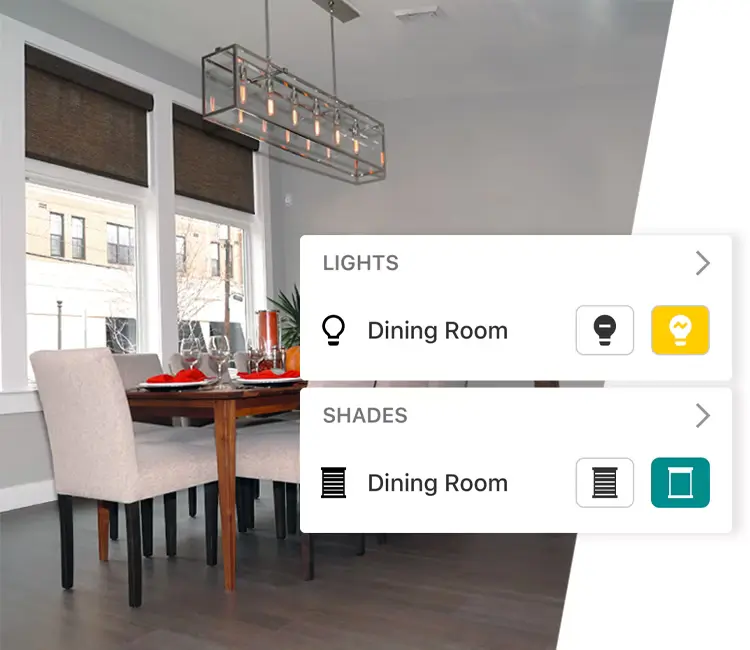
Locks, Codes and Lights
Myth: you need to be standing there for any of it to work. Reality: lock up, hand a dog walker a code that expires, and light the low side of the house from your phone, from anywhere.
Learn More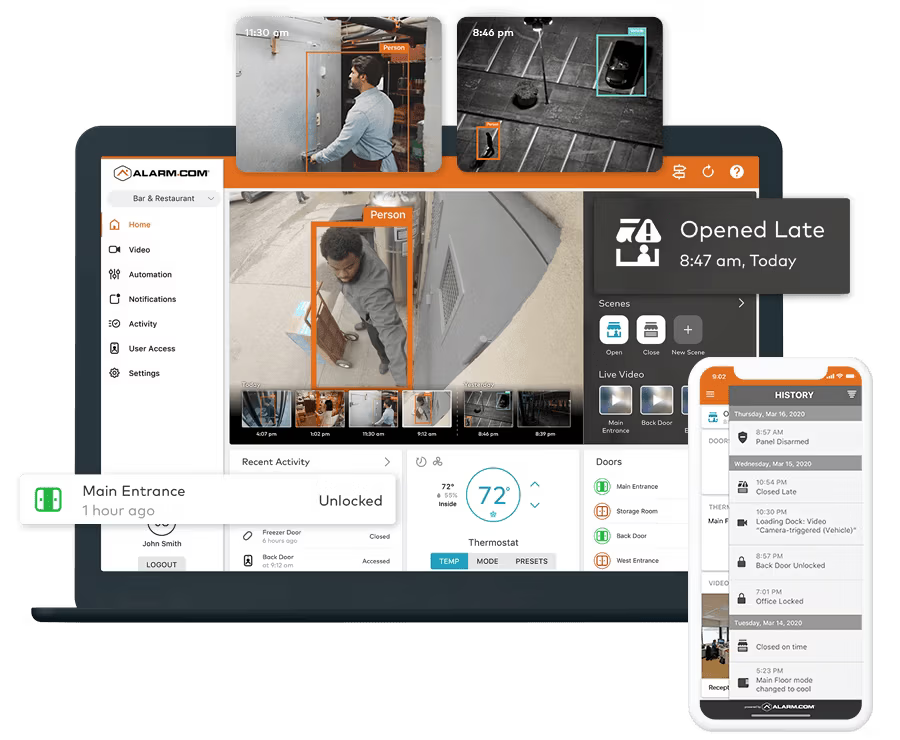
Fonthill Business Security: Three Different Buildings
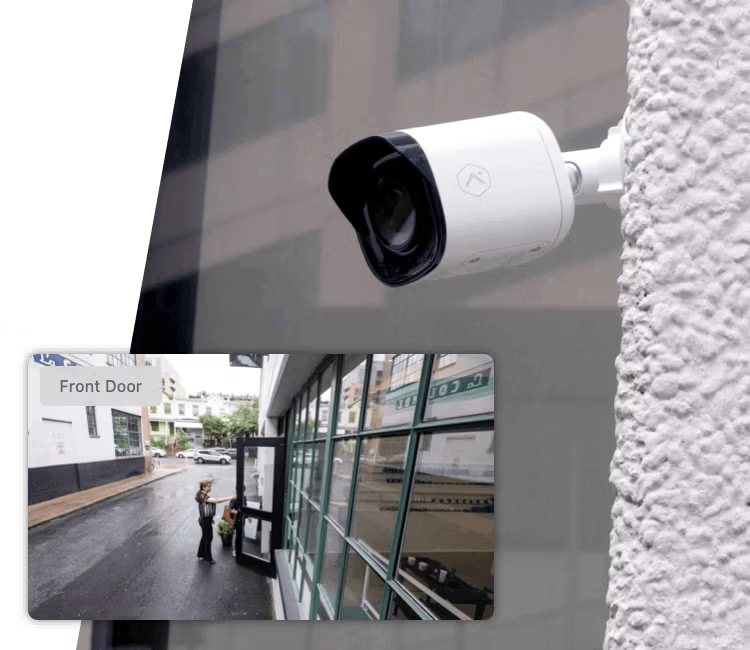
One: a unit on the Highway 20 strip. Shared parking, a glass front, neighbours either side and a rear service door that opens onto a lot nobody watches after close. The front is not your problem. The back is. We put contacts and glass break on the retail side, a camera covering the rear door and the bins beside it, and a schedule so the building tells us when it opens late or gets opened at all on a Sunday. Straightforward business alarm systems work here, as long as somebody actually looks at the back of the building first.
Two: a professional office near Pelham Town Square. Small staff, client files, a couple of consult rooms and a door that has to be open through the day and locked tight at five. That's an access control job more than an alarm job. Fobs instead of keys, one list you can change the day somebody leaves, and a record of who came and went. Add cameras at the entrance and the file room and you've covered both the security question and the liability one.
Three: a property out on the rural fringe of Pelham. A yard, a shop building, equipment parked outside, and the nearest neighbour a field away. Long-range wireless, a driveway alert that fires before anyone reaches the buildings, cameras that see out into the dark, and separate zones so the shop can be armed while somebody's still in the office. Different building, different job, same free assessment.
- Intrusion detection: Contacts, motion and glass break placed for your layout
- Video surveillance: Coverage of the doors and yards nobody drives past
- Access control: Fobs and mobile entry with a full record of entries
- Open and close reporting: Know if the building opened when it shouldn't have
- ULC monitoring: Meets what your insurer asks for on commercial coverage
- Room to grow: Add doors, cameras and buildings without starting over
One Fonthill Business Day, Camera by Camera
Before open. First person in disarms at the back door, and the camera above it records who it was and what time. If that ever happens an hour early, or on a day you're closed, you know about it before you've finished your coffee. Mid-morning. Deliveries land at the rear. The dock or door camera covers what came off the truck and what left with it, which settles most supplier disputes without a phone call.
Through the day. The counter camera watches the till and the door together, so a transaction and the person who made it sit in the same frame. Placed properly it covers your staff as much as your stock, because the day somebody claims a slip or a shouting match, footage is the only version of events that doesn't get argued with. Shift change. Cash goes to the office. One camera there does more for your bottom line than three on the sales floor.
Close. Last person out arms the building, and you get a confirmation on your phone. If the alarm never gets set, you find out that night rather than the next morning. Overnight. Nobody's there, so nothing should move. When something does, cameras and sensors report it together and our ULC centre is on it while the building's still empty. Business video monitoring is really just this: the same day, recorded properly, and someone paying attention to the hours you can't.
Shared parking on the Highway 20 strip: If you trade from a unit in a plaza, half your exposure sits in a lot you don't control and nobody has claimed responsibility for. We aim cameras to cover your own doors, your bins and the stretch of lot your staff cross at close, without turning the neighbours' storefronts into your recording problem.
A Detector That Beeps vs a Detector That Calls
A hardware store detector makes noise. That's the whole job. If you're standing in the kitchen, noise is plenty. A monitored detector makes noise and sends a signal. If nobody's standing in the kitchen, the signal is the only part that matters. That's the entire difference, and it decides how the next twenty minutes go.
The beeping one needs an audience. Empty house, nobody hears it. The calling one doesn't. It reaches our ULC-certified monitoring centre whether anyone's home or not. The beeping one stops when the battery dies, usually in the middle of the night, usually followed by somebody pulling it off the ceiling and forgetting about it. The calling one tells us its battery is low, and we tell you before it becomes a chirp you resent. The beeping one gives you the same warning for burnt toast as for a real fire. Ours separate smoke from heat, and heat detectors go where a smoke unit would cry wolf, like the garage or over the stove.
Then there's carbon monoxide, and here the gap gets wider. You cannot smell it or see it, so the noisy detector's whole advantage disappears the moment nobody's awake to hear it. A house on a hill with a walkout level and a furnace at the bottom is exactly where CO gets to build in a room people barely use. A monitored fire and CO system reacts to the reading itself and puts Pelham Fire Services on the road, whether you heard anything or not.
- Beeps: Needs someone home. Calls: Reaches our ULC centre either way
- Beeps: Dies quietly. Calls: Reports its own low battery to us
- Beeps: Same noise for toast and for fire. Calls: Smoke, heat and CO reported separately
- Beeps: You dial the fire department. Calls: Pelham Fire Services gets dispatched for you
- Beeps: Sits on its own. Calls: Lives on your alarm, one system, one app
Force Security vs. Big Alarm Companies
See why Fonthill homeowners are switching from national chains to local, no-contract monitoring.
One Pelham Install, Before and After
Before: a keypad by the front door, two contacts, one motion in the hallway, and a walkout level at the bottom of the yard with nothing on it at all. After: the doors people actually use are covered, the low end is its own zone, a camera looks back up the slope, and the whole thing reports over cellular to our ULC centre. Same house, same finishes, one afternoon. Here's where we do that work.
Bigger lots on the fringe: Out past the built-up streets the properties get long, the buildings get separate and the driveway gets far enough from the house that you'd never hear a vehicle on it. Before: one panel doing nothing past the back wall. After: long-range wireless out to the shop and the shed, a driveway alert that fires before anyone reaches the buildings, and cameras set for distance and dark. Acreage isn't a reason to go without. It's just a reason to design it properly.
What Fonthill Tells Us, What We Do About It
Three things Pelham homeowners and business owners say to us on the driveway, and the honest answer to each.
"You probably don't get out to Pelham much"
We're up here constantly. Our technicians work Fonthill, Fenwick and Ridgeville out of the Niagara Falls shop, so a service call is a short drive and a walkthrough gets booked without a wait. This isn't a pin on a coverage map.
"The last guy sold me stuff I didn't need"
We tell you what your property actually needs and what it doesn't, and we're happy to leave things off the list. No commission games, no door-to-door pressure, and no long-term contract holding you in place afterwards.
"I'd rather keep it Canadian"
Then we're your people. Family-owned since 1988, Canadian owned and operated, monitored from a Canadian ULC-certified centre. Not a franchise, not a branch of somebody else's multinational.
Designing for Every Season in Fonthill
A system gets designed once and then has to live through a full year on your property. So we design it against the year, not against the afternoon we happen to be standing there.
Spring: The Walkthrough
Everything is visible in spring. Beds are cut back, the yard is bare, and you can see exactly how the ground falls away behind the house and where a person could stand unseen. We walk the whole slope with you, top to bottom, and point out what we find. Free, and no pitch attached.
Summer: The Design, With the Leaves On
By July that clear sightline down the hill is a wall of green, and a camera aimed in May can end up filming a cedar. So we design for the fullest version of your yard: heights, angles and detection zones that still work when everything has grown in, plus the doors and windows that get left open on a hot night. You pick the features, we skip what you don't want. DSC, Honeywell or Qolsys depending on what suits the property.
Fall: Installation Day
The best time to get it in is before you need it. Clean cable runs, sensors placed where we said they'd go, cameras checked on your phone before the ladder comes down, and the whole system tested end to end. Most home installs run 2-4 hours. We clean up. The place looks exactly as it did, just harder to get into.
Winter: The Season It Earns Its Keep
Short days, long nights, a driveway that gets slick on the climb and a walkout level nobody visits for weeks. Your panel reports to our ULC-certified monitoring centre over cellular, so a downed line or dropped Wi-Fi doesn't leave you exposed, and battery backup carries it through an ice storm outage. Freeze alerts flag the cold room before a pipe does. Every night, all winter, a real operator on the other end.
Also Serving Nearby Niagara Region Communities
Beyond Fonthill and Pelham, Force Security provides professional installation and monitoring throughout the Niagara Region and surrounding areas.
What Niagara Region Customers Say About Force Security
Don't take our word for it. Here's what homeowners and businesses across the Niagara Region have to say about their experience with Force Security.
Thinking About Switching? Three Questions First
Do I lose the gear I already paid for? No. If you're with ADT, TELUS, Vivint or Reliance, we usually keep your sensors and your wiring and change the part that reports. Does the house get torn up again? No, in most takeovers nothing new gets drilled. Am I signing another long deal? No. No long-term contracts, monitoring run out of Niagara Falls, and the assessment to find out is free.
Fonthill Security Questions, From the Property Line In
Working inward from the edge of the lot to the doors, the rooms and the life safety gear. Call 844-360-1234 for anything we haven't covered.
My back yard drops away. Where do the cameras actually go?
Not all on the same soffit at the same height, which is the usual mistake. On the high side we mount lower than people expect, because a camera set high above a rising driveway films the tops of heads all day. At the back corner we mount to see across the drop rather than down into it. At the bottom we cover the walkout, the window wells and the shed. Then we check every view live on your phone before anything gets tightened, and move whatever needs moving. Camera placement on a sloped lot is site work, not a diagram.
Does a large sloping lot mean I need more sensors?
Usually fewer than you'd think, just placed differently. Sensor count comes from openings and paths, not from acreage. A slope actually helps, because it funnels anyone approaching into two or three routes instead of spreading them across the whole perimeter. We cover those routes, the doors at both levels, and the windows that sit low outside. If the property runs long, long-range wireless devices and a driveway alert handle the distance without a trench full of cable.
How much does a system cost in Fonthill?
It depends on the property, and anybody quoting you a figure over the phone hasn't seen your place. A compact village home with three doors is a different build than a house on a big lot with a walkout, a shop and a long driveway. What it comes down to is how many openings need covering, how many cameras you want and whether you're adding things like freeze and water sensors. We walk the property, talk through options, and give you a written quote. The walkthrough and the quote are free.
Can you cover a walkout at the low end of the house?
Yes, and it's the door we care most about. A walkout is screened from the street by the slope, it's often glass, and it's frequently the one entry a builder-grade package skipped. We put a contact on it, glass break nearby, motion inside covering the run to the stairs, and a camera outside looking back up the hill. Best part: we zone it separately, so you can arm the whole lower level at night while the family's still moving around upstairs.
What happens when my alarm goes off?
The signal hits our ULC-certified monitoring centre over cellular within seconds. An operator checks what type of alarm it is and calls you. Give your verbal password and it's cancelled, no fuss. Don't answer, can't verify, or confirm there's a problem, and we dispatch Niagara Regional Police, Pelham Fire Services or EMS depending on what tripped. You're not the one making phone calls while something's happening.
How quickly can you install?
Most Fonthill homes get scheduled within a week or two of saying go. If you've just had a break-in, you're taking possession of a house, or you've got a hard date coming up, tell us and we'll work with it. On the day, a standard home install runs 2-4 hours. Larger properties with outbuildings and multiple cameras take longer, and commercial jobs get scheduled around your hours so we're not in the way while you're trading.
Can you secure a business on the Highway 20 strip that opens early and closes late?
Yes, and long hours are exactly why scheduling matters. We set arming schedules around your real day, so if the building opens hours early or never gets armed at close, you hear about it that night. Partial arming lets you lock down the back, the stock area and the office while the front is still serving. Add open and close reporting and you know which staff code opened up and when, without standing there yourself. Full detail on business alarm systems.
Will a system lower my Fonthill home insurance?
Often, yes. Many insurers discount monitored systems, commonly in the range of 5-20% off your premium, and ULC-certified monitoring is the kind they recognise because it meets a strict national standard. We give you the certificate to send in. The exact discount is your insurer's call, so ask them, but for a lot of Pelham homeowners it takes a real bite out of what monitoring costs them.
Do you actually have technicians serving Pelham?
Yes. We're based in Niagara Falls, a short run down the road, and our technicians are in Pelham regularly for installs and service calls. Fonthill isn't a name we added to a list. It means you get a real appointment window, a technician who has worked on properties shaped like yours, and someone who can come back out when you need a sensor moved or a camera re-aimed.
Can you take over my existing system?
Usually. If there's a panel and sensors already in the house, there's a good chance we can keep the hardware and take over the monitoring instead of ripping it out. We check what you've got, confirm it talks to our centre, and tell you straight if something is too old or too locked down to be worth keeping. Details on alarm system takeovers, and the assessment is free.
Will it work in a power outage?
Yes. The panel runs on a backup battery when the hydro drops, and it reports over cellular rather than your internet, so a router with no power doesn't take your monitoring with it. That combination is the whole point during a Niagara ice storm, when the power is off, the roads are bad and the house is at its most exposed. Your cameras will need power to keep recording, which is why we talk about backup for the recorder on properties where outages are a regular thing.
DIY or professional install, what's the real difference?
Placement and reporting. A box kit puts sensors where the instructions say, which on a hillside lot usually means the low side gets missed. We put them where your property actually needs them, and we test it. Our gear is commercial-grade, it reports over cellular with battery backup, and it's monitored by people rather than by an app notification you might be asleep for. That last part is also what insurers want to see. Monitoring is the piece DIY can't really replace.
Can I switch from ADT, TELUS or Vivint?
In most cases, easily. TELUS owns both ADT Canada and Vivint Canada now, and plenty of Fonthill homeowners have decided they'd rather deal with a local company. We check your equipment for free, confirm compatibility, and handle the changeover. Typically you keep the sensors and the wiring and we change the communicator. No long-term contract on our side. Get in touch for a takeover assessment.
What am I paying for each month?
ULC-certified monitoring by trained operators, the cellular path your system reports over, app access to arm, disarm and check the place from anywhere, and a company that answers when you call for service. That's it. No long-term contract locking you in, and if your insurer gives you a monitored-system discount it offsets a chunk of it. Ask us for a quote based on your own property and we'll put it in writing.
Do you serve Fenwick, Ridgeville and the rest of Pelham?
All of it. Fonthill, Fenwick, Ridgeville, North Pelham, Effingham and the rural roads in between, plus the businesses along the Highway 20 strip and around Pelham Town Square. Same technicians, same monitoring, same scheduling. If you're not sure whether your road counts, call us and we'll tell you in ten seconds.
Fonthill Services, Worst Case First
Every service below exists because of one bad outcome. Here's the outcome first, and the thing that stops it second.
Home Security Systems
Worst case: someone is in the lower level while the family sleeps upstairs. Contacts, motion and monitored response so it never gets that far.
Business Alarm Systems
Worst case: you unlock Monday morning to a smashed rear door and a whole weekend nobody knew about. Detection plus monitoring closes that gap.
Access Control Systems
Worst case: a key that left with a former employee still opens your door. Fobs and mobile entry you can cancel in seconds, with a record of every entry.
Video Monitoring Services
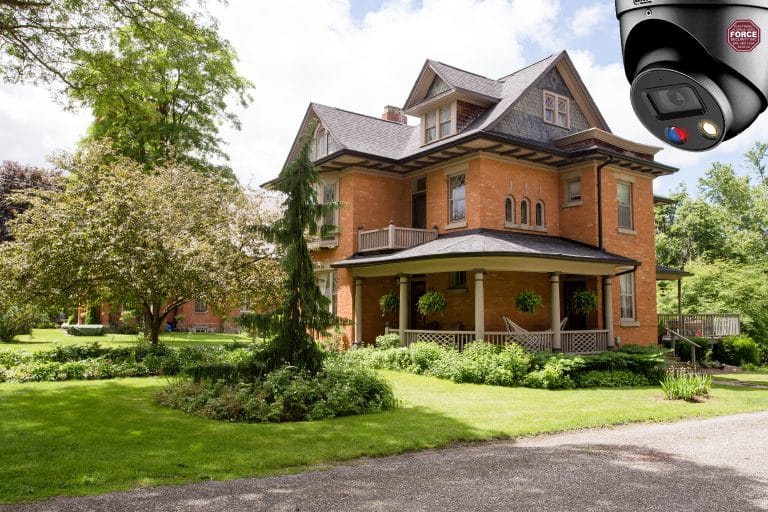
Worst case: it happened, and there's nothing to show police or your insurer. Cameras aimed properly, recorded locally and in the cloud.

Fire Signal Monitoring
Worst case: a fire panel sounds in an empty building at night and nobody is listening to it. ULC-certified signal monitoring puts the call in for you.
24/7 Alarm Monitoring
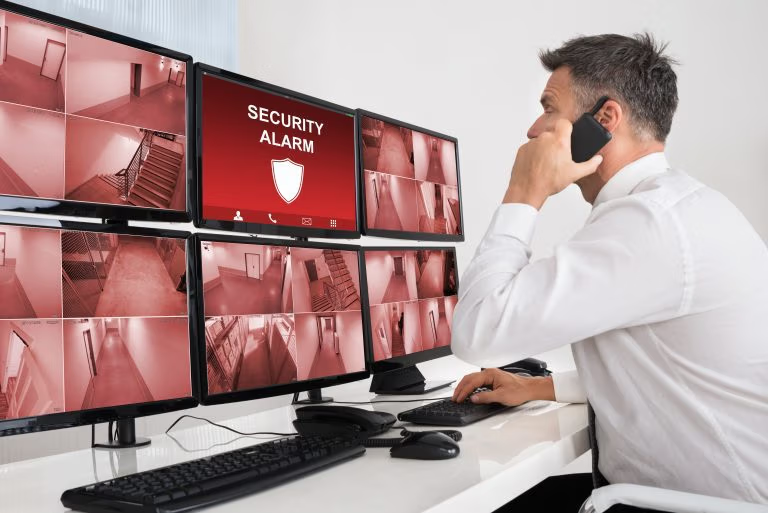
Worst case: the siren howls for an hour and the only person hearing it is the one loading your things into a van. Real operators, cellular link, instant response.
Alarm System Takeover
Worst case: you keep paying for a system nobody has tested in years. Keep the sensors and wiring, change who's watching. Free assessment.
Medical Alert Systems
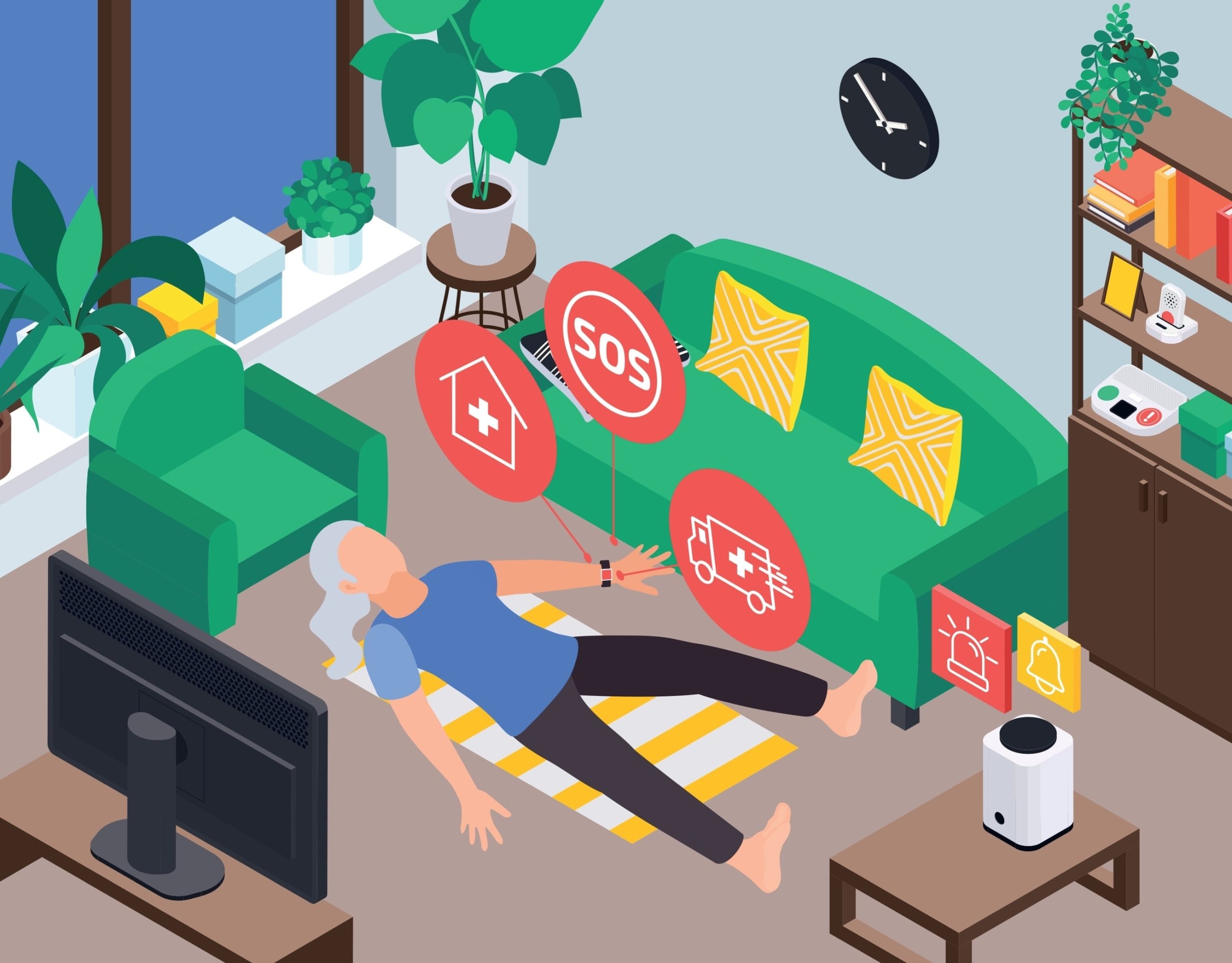
Worst case: a fall at the bottom of the basement stairs and no way to call anyone. Pendants with fall detection, monitored around the clock.
Construction Site Security
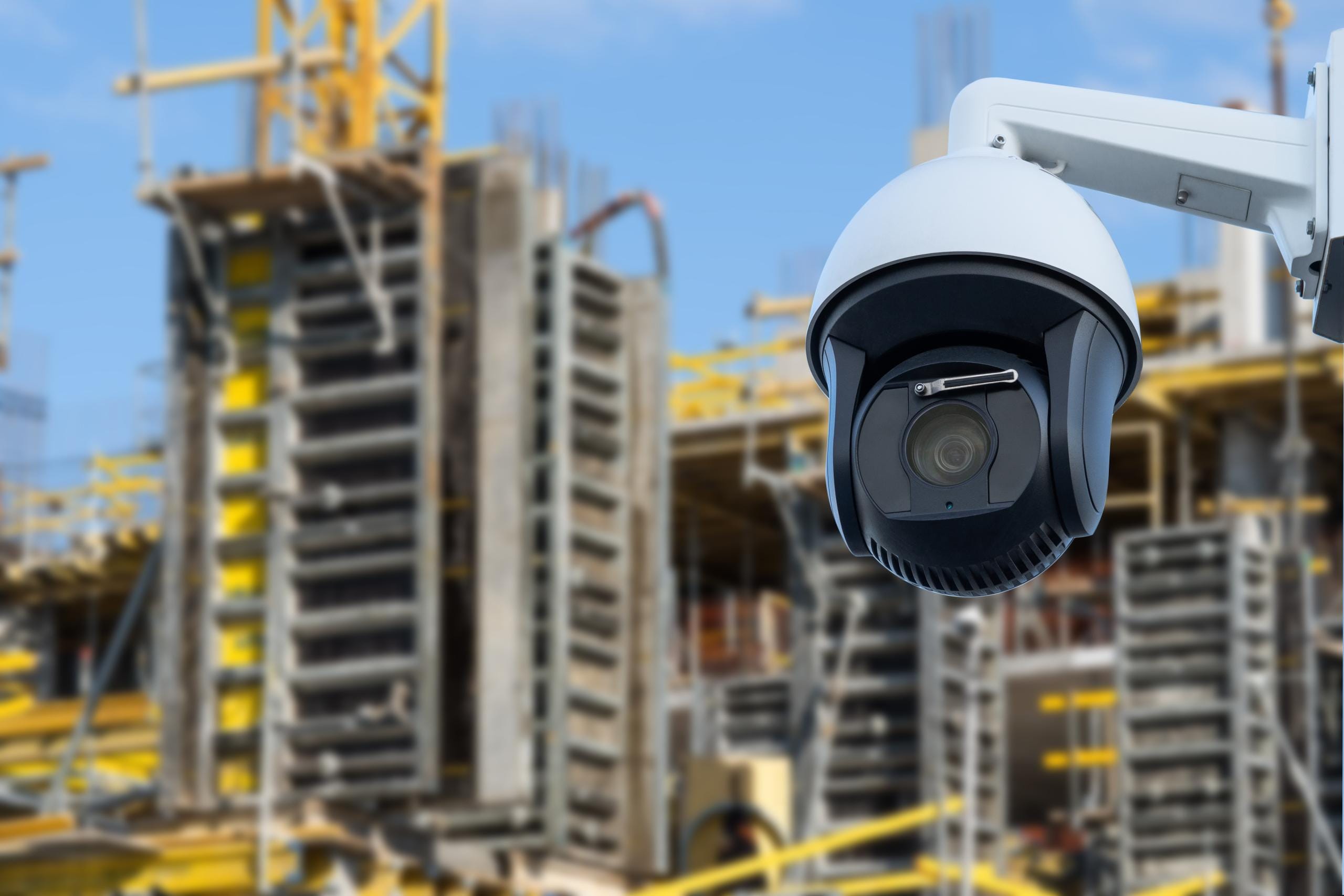
Worst case: the tools and wire walk off the site overnight and the schedule slips a week. Solar cameras, live operators, no hydro or Wi-Fi needed.
Water and Freeze Monitoring
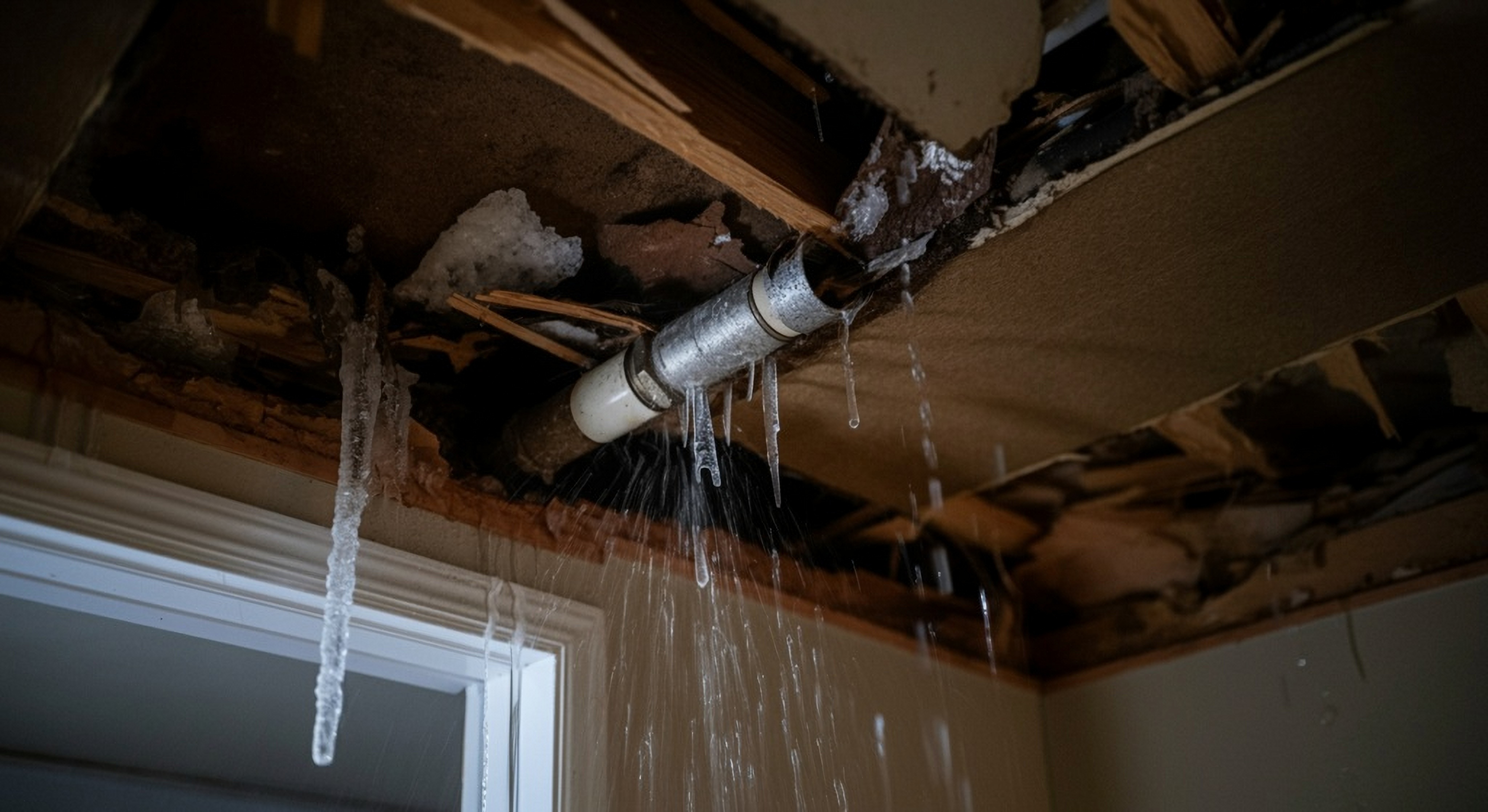
Worst case: a pipe lets go at the low end of the house and you find out when the ceiling does. Leak sensors, freeze alerts and sump monitoring.
Intercoms & Door Entry
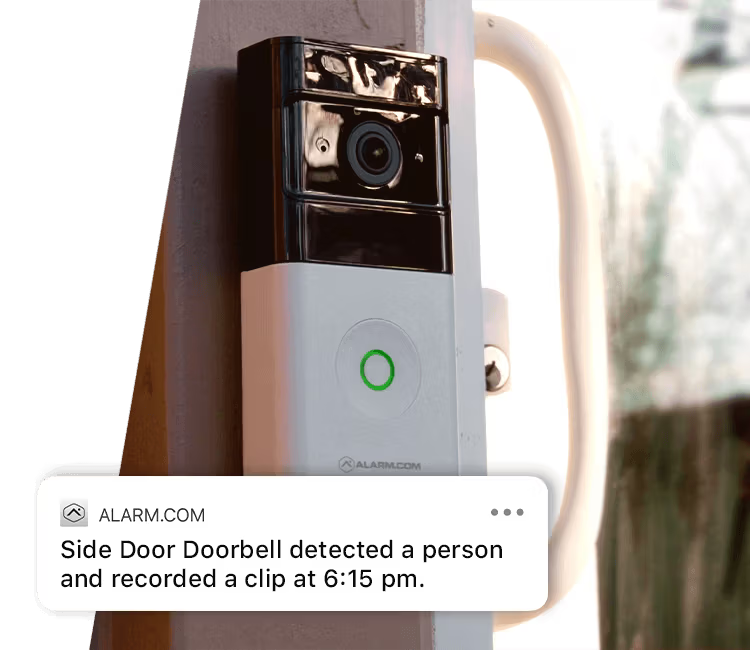
Worst case: you open the door because you couldn't see who was behind it. See and speak to whoever's out there before anything unlocks.
Intrusion Detection
Worst case: the glass goes and nothing trips, because the motion was pointed at the wrong wall. Detection designed for your layout, zone by zone.

Home Fire & CO Protection
Worst case: carbon monoxide builds in a lower level nobody uses and the only warning is a chirp. Monitored smoke, heat and CO with automatic dispatch.
Garage Door Monitoring
Worst case: the door sat wide open all night with the car keys hanging inside it. Alerts if it's still up at bedtime, auto-close timers, control from your phone.
Smart Thermostats
Worst case: the furnace quits in February and nobody's there to notice. Temperature control and alerts from anywhere, tied into your security system.
Condo & Apartment Security
Worst case: the lobby door gets propped open and every floor above it is open too. Access control, video intercoms, parking cameras and monitoring.
Business Video Monitoring
Worst case: a customer claims a fall or a staff member claims a shift and it's one word against another. Coverage of the till, the doors and the back room.
Second Property Security
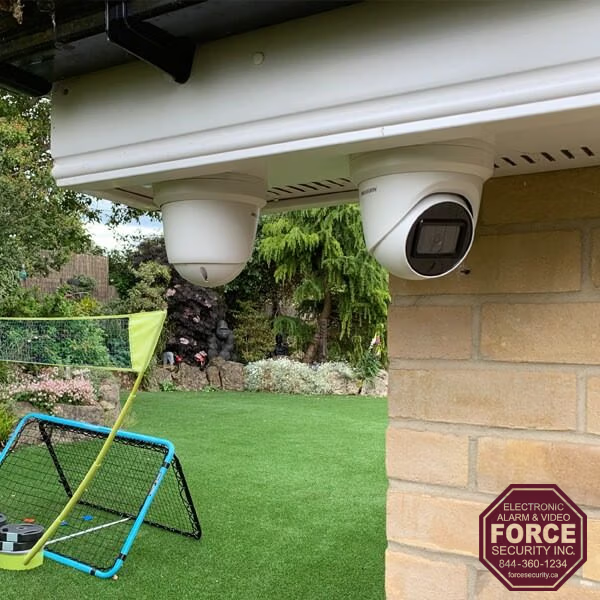
Worst case: something goes wrong at a place you only visit occasionally and it compounds for weeks. Monitoring, freeze alerts and cameras you can check anytime.
Panic & Duress Buttons
Worst case: a staff member is alone at the desk with someone who won't leave. A silent button that brings help without escalating the room.
Healthcare Security
Worst case: a clinic gets opened overnight and patient files and medication are in the room. Duress alarms, restricted storage access and compliant cameras.
Shop & Yard Security
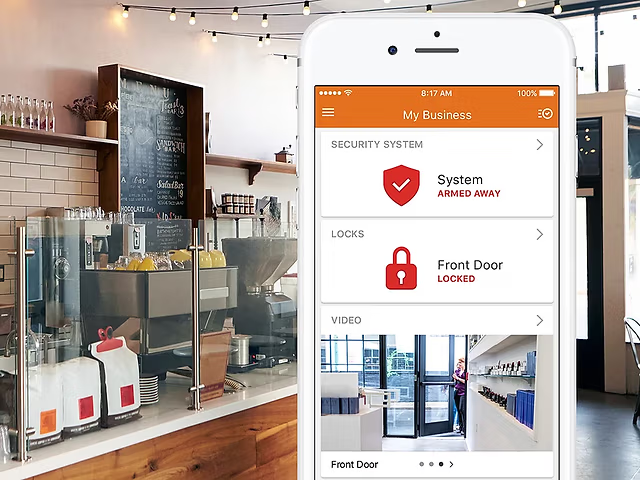
Worst case: the yard and the shop get cleaned out through one loading door on a long weekend. Perimeter detection, dock cameras and monitored response.
We also handle remote video monitoring, intercom systems, panic buttons, building automation, environmental monitoring, security cameras and ULC fire signal monitoring across Fonthill and the rest of Pelham.
Helpful Guides for Fonthill Homeowners
Resources to help you make smarter security decisions. Written by our team based on real experience protecting homes across the region.
Home Security Insurance Discounts
Which Canadian insurers give 5-20% off for ULC-monitored alarm systems? We break down the numbers.
How to Cancel ADT, TELUS, Bell & More
Phone numbers, cancellation fees, and what happens to your equipment when you switch alarm companies.
Crime Trends: Hamilton, Niagara & Toronto 2026
Latest crime data across the region. Property crime, break-ins, and what's changing in your area.
No-Contract Alarm Monitoring
Why homeowners are walking away from 3-year and 5-year contracts and getting better service for less.
Get Your Free Fonthill Security Quote
Ready to protect your home or business? Fill out the form for a free, no-pressure quote from a local security expert who knows the Niagara Region.
844-360-1234Prefer to call? We're happy to chat about your Fonthill security needs.
Fonthill Neighbourhoods We Secure
Fonthill sits at the heart of Pelham, with a mix of established residential, newer subdivisions, and rural-acreage properties stretching across the surrounding hills. Property profiles range from heritage homes in the historic downtown to newer builds with smart-home capability and large rural lots that need perimeter coverage.
Specific areas we cover
- → Downtown Fonthill. heritage homes, walkable village core, mix of older alarm systems and modern installs.
- → Cherryridge & Effingham. newer Pelham subdivisions, family homes, frequent smart-home integration.
- → Ridgeville. rural-residential, larger lots, often with outbuildings and farm equipment.
- → Fenwick. small-town residential on Pelham's western edge, mix of established and newer homes.
- → North Pelham. country properties, escarpment views, often with no internet (cellular monitoring required).
- → Highway 20 corridor. small businesses, retail, professional offices serving the Pelham community.
Pelham and Fonthill homes vary widely in age, size, and rural exposure. We design each alarm system around the specific property, whether it's a downtown heritage home or a country acreage in North Pelham.
What Pelham and Fonthill Customers Say
Real, verified Google reviews from Force Security customers, including Pelham homeowners and local businesses around Fonthill and the Short Hills.
★★★★★"Mark at Force Security and the whole team are amazing to deal with. They are so knowledgeable and never try to upsell you on stuff you don't need."
★★★★★"Called a couple weeks ago as I need to update due to a reno. As I spoke to Mark, I realized why my dad chose Force to begin with - knowledgeable and patient."
★★★★★"We have been with Force Security for well over 23 years now and never had a problem with any of our security needs."
More reviews on our testimonials page · Google Business Profile